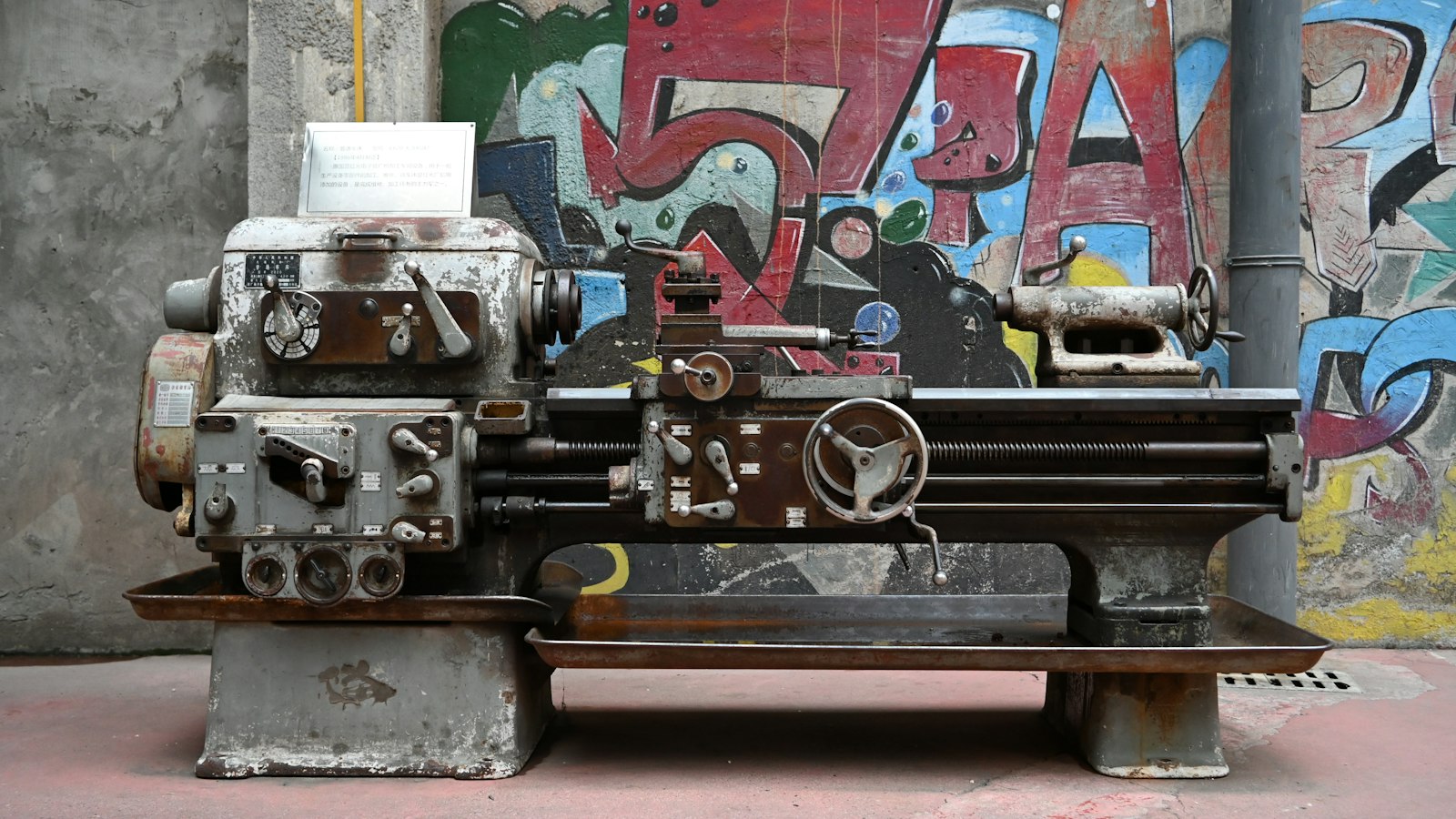
The EPCG Scheme allows import of capital goods at zero customs duty for pre-production, production and post-production, except those on the negative list in Appendix 5 F. It covers manufacturer exporters (with or without supporting manufacturers), merchant exporters tied to supporting manufacturers, and service providers. In return, you take on an export obligation equal to 6 times the duties, taxes and cess saved, to be fulfilled in 6 years from the date the Authorisation is issued; except for the categories listed in paragraph 5.12(a), this is over and above your average exports of the same and similar products in the preceding three licensing years.
What capital goods does the EPCG scheme cover?
According to DGFT, Foreign Trade Policy Chapter 5, the EPCG Scheme allows import of capital goods for pre-production, production and post-production at zero customs duty. Capital goods specified in the negative list in Appendix 5 F are excluded.
- Negative list: confirm the item is not specified in the negative list in Appendix 5 F.
- Capital goods definition: the definition includes, among other items, spares, moulds, dies, jigs, fixtures, tools and refractories, and catalysts for initial charge plus one subsequent charge.
- Restricted items: import of items which are restricted for import is permitted under EPCG only after approval from the Exim Facilitation Committee (EFC) at DGFT Headquarters.
- IGST and Compensation Cess: capital goods imported under an EPCG Authorisation for physical exports are also exempt from IGST and Compensation Cess.
Who qualifies for the EPCG scheme?
The Foreign Trade Policy says the EPCG scheme covers manufacturer exporters with or without supporting manufacturer(s), merchant exporters tied to supporting manufacturer(s), and service providers.
- IEC: DGFT states that an IEC is required to apply for an EPCG scheme. If you don’t have one yet, see How to Get an IEC Code in India.
- Other pre-requisites: DGFT refers applicants to Chapter 5 of the Foreign Trade Policy and the Handbook of Procedures for the remaining pre-requisites.
- Supporting manufacturers: if you work with one, the name of the supporting manufacturer(s) shall be endorsed on the EPCG Authorisation before the capital goods are installed in the supporting manufacturer’s factory or premises.
How is the EPCG export obligation calculated?
Under the Foreign Trade Policy, import under the EPCG Scheme is subject to an Export Obligation (EO) equivalent to 6 times the duties, taxes and cess saved on capital goods. The EO is to be fulfilled in 6 years reckoned from the date of issue of the Authorisation.
- The EO is over and above the average level of exports achieved by the applicant in the preceding three licensing years for the same and similar products; this does not apply to the categories listed in paragraph 5.12(a).
- The Average Export Obligation (AEO) shall be fulfilled every financial year until the export obligation is completed.
- Exports or supplies made over and above the AEO shall only be considered for fulfilment of the export obligation.
Which exports count towards the EPCG export obligation?
- The EO shall be fulfilled by the Authorisation holder through export of goods manufactured by the holder or the holder’s supporting manufacturer, or services rendered by the holder, for which the EPCG Authorisation was granted.
- For export of goods, the Authorisation holder may export either directly or through third party(ies).
- The EO may be fulfilled by physical exports as well as deemed exports.
- Exports under Advance Authorisation, DFIA, Duty Drawback, RoSCTL and RoDTEP Schemes would also be eligible for fulfilment of EO under the EPCG Scheme.
Can the EPCG export obligation be reduced?
- Indigenous sourcing: where capital goods are sourced indigenously, the specific EO shall be 25% less than the EO stipulated in Para 5.01.
- Green Technology Products: for exporters of these products, the specific EO shall be 75% of the EO stipulated in Para 5.01(b).
- Specified states and UTs: for manufacturing units located in Arunachal Pradesh, Assam, Manipur, Meghalaya, Mizoram, Nagaland, Sikkim, Tripura, Jammu & Kashmir and Ladakh, the specific EO shall be 25% of the EO stipulated in Para 5.01(b).
- Early fulfilment: where the holder has fulfilled 75% or more of the specific EO and 100% of any Average Export Obligation till date, in half or less than half the original EO period, the remaining EO shall be condoned.
- Sectors without an average EO: Chapter 5 lists sectors, including handicrafts, handlooms, industries covered under the Khadi and Village Industries Commission (KVIC) and agriculture, where Authorisation holders exporting goods do not have to maintain an average export obligation. Handicraft exporters can see How to Export Handicrafts from India for documentation basics.
Chapter 5 states that only one benefit specified in paras 5.04(d), 5.09, 5.10 and 5.11 shall be admissible. If more than one reduction looks relevant to you, confirm with DGFT which of these paras applies before you plan your exports around it.
What conditions apply after an EPCG Authorisation is issued?
- Import validity: the Authorisation is valid for import for 24 months from the date of issue, and revalidation of an EPCG Authorisation shall not be permitted.
- Actual User condition: imported capital goods are subject to the Actual User condition until the export obligation is completed and the Export Obligation Discharge Certificate (EODC) is granted.
Where to apply for EPCG, and what DGFT’s page says
DGFT’s EPCG page lists the application as "Apply for EPCG (ANF-5A)". For setting up your account on the portal, see How to Register on DGFT Portal.
Flagged as dated: treat the ANF-5A reference and DGFT’s statement that an IEC is required as a snapshot. Re-check DGFT’s EPCG page, the current FTP Chapter 5 and the Handbook of Procedures on the day you apply.
When to get specialist help
This checklist covers the headline rules in FTP Chapter 5. It does not walk through the EODC process or the detailed conditions behind deemed exports, Green Technology Products or the reduced EO for units in the listed states and UTs.
- Unsure whether a machine is on the Appendix 5 F negative list or is a restricted item needing EFC approval: ask your DGFT regional authority or a customs broker.
- Working out the duties, taxes and cess saved, or, if it applies to you, your average export level for the preceding three licensing years: ask a chartered accountant.
- Arranging supporting manufacturers or third-party exports: check the arrangement with DGFT or a consultant experienced in EPCG before the goods are installed or shipped.
Related reading
Sources
Checked against the official sources above on 23 October 2026. Rules and forms change, so confirm the current version on the official page before you act.