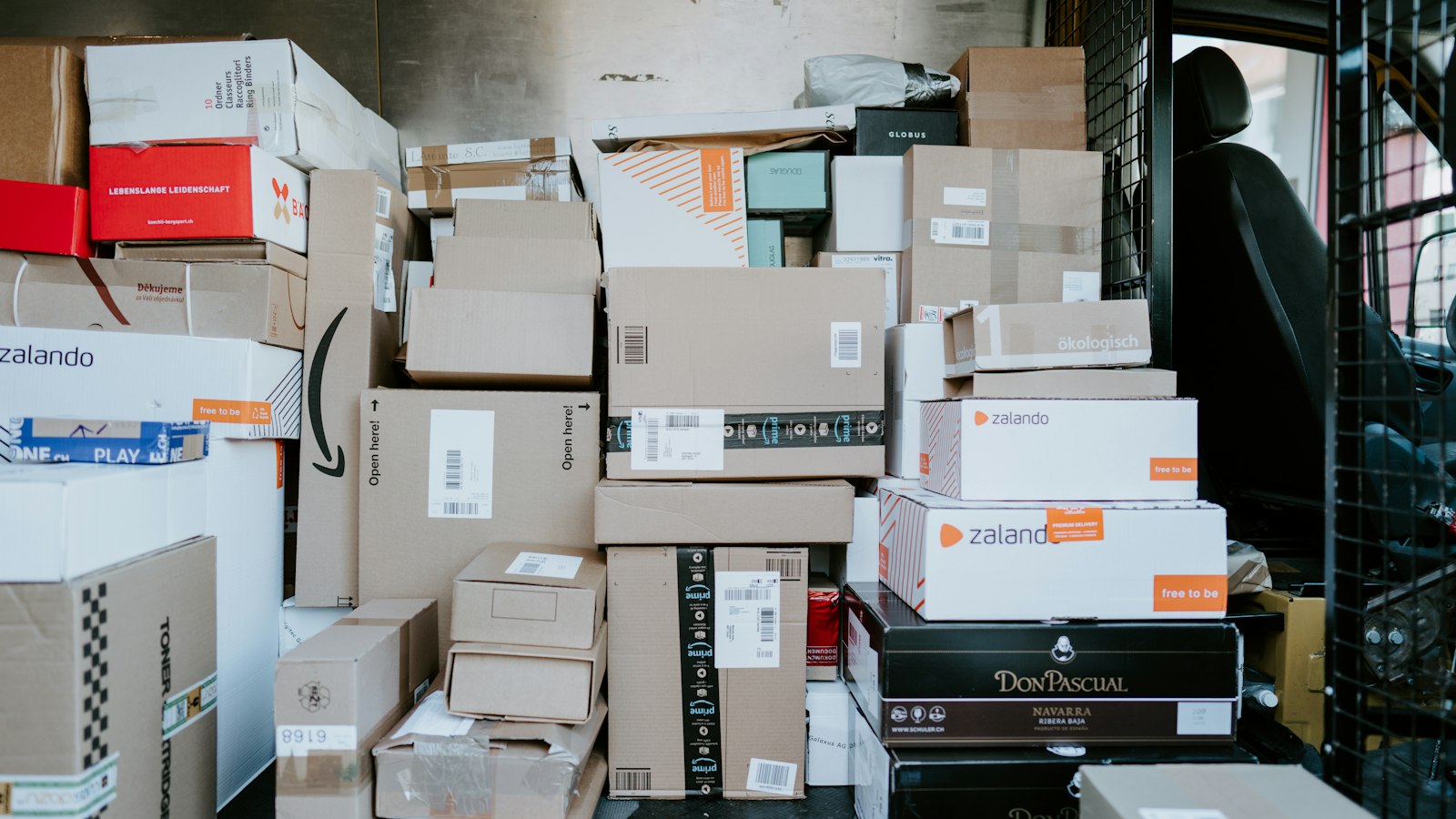
India’s Foreign Trade Policy (FTP) 2023 deals with e-commerce exports in its chapter on e-commerce. DGFT defines them as exports of goods sold through the internet on an e-commerce platform and paid for through international credit or debit cards or other authorised electronic payment channels, as specified by RBI from time to time. The chapter also covers courier and postal exports, E-Commerce Export Hubs, Dak Ghar Niryat Kendras and an inventory-based framework built around an Exporter-on-Record.
What counts as an e-commerce export under the FTP?
- the goods are sold through the internet on an e-commerce platform;
- payment is made through international credit or debit cards, or other authorised electronic payment channels;
- the payment channels are as specified by RBI from time to time.
The FTP defines an e-commerce platform as an electronic platform, including a web-portal, that enables the commercial process of buying and selling through the internet.
The definition ties payment channels to what RBI specifies from time to time. Your bank or an accountant can confirm which channels currently apply to your sales.
Can e-commerce exports go by courier or post?
DGFT says exports through a registered courier service or a Foreign Post Office (FPO) are permitted as per notifications issued under the Customs Act, 1962. Whether a particular item can be exported, however, is still regulated by the FTP and the Export Policy in ITC(HS) as notified.
- No value cap for courier: the FTP prescribes no value limit per consignment for exports through courier service.
- Returned jewellery: for precious metal jewellery exported by courier through e-commerce, re-import of shipments returned by the buyer is allowed as per the notifications issued and procedures prescribed under the Customs Act, 1962.
- Dak Ghar Niryat Kendras: the FTP says these are to be operationalised throughout the country, working in a hub-and-spoke model with FPOs to facilitate cross-border e-commerce.
What is an E-Commerce Export Hub (ECEH)?
The FTP provides for E-Commerce Export Hubs (ECEHs). According to DGFT, an ECEH may provide storage (including cold storage facilities), packaging, labelling, certification and testing, and other common facilities for the purposes of export.
- Set-up: an ECEH is ordinarily to be set up through private initiative.
- Approval: requests for approval of a proposed ECEH must be submitted to a notified committee to be constituted by DGFT.
- Goods: all goods may be handled at an ECEH, including SCOMET and Restricted goods (subject to suitable compliance of regulations and conditions), except goods which are prohibited or otherwise disallowed.
- Funding: an ECEH may be provided financial assistance under the MAI scheme for e-commerce export promotion projects for marketing, capacity building and technological services, such as imaging, cataloguing and product video creation of e-commerce goods.
How does DGFT promote e-commerce exports?
Under the e-commerce component of the Niryat Bandhu Scheme (NBS), the FTP says DGFT is to organise outreach activities and workshops in partnership with Customs Authorities, the Department of Post, ‘Industry Partners’ and ‘Knowledge Partners’ for the promotion of e-commerce exports.
What is the Inventory-based Cross-border E-Commerce Facilitation Framework?
The FTP sets out an Inventory-based Cross-border E-Commerce Facilitation Framework. Under it, an Exporter-on-Record (EOR) means an entity holding a valid IEC and GSTIN, registered with DGFT under the Framework. The sellers whose goods form part of an export consignment are referred to as Sellers-on-Record. If you don’t yet have an IEC, see how to get an IEC code in India.
Eligibility and inventory rules for an Exporter-on-Record
- Only goods of Indian origin are eligible under the Framework.
- Speculative transfer of title or inventory build-up without a confirmed export order is not permitted.
- The Exporter-on-Record is responsible for distinctly identifying, segregating and maintaining Export Inventory.
Payments, rebates and returns under the Framework
- Seller payments: payment to the Seller-on-Record must not be contingent upon or delayed on account of receipt of payment from the buyer outside India, return of goods by the buyer outside India, or any other event outside the Seller-on-Record’s control.
- Rebates and refunds: the Exporter-on-Record must apportion and disburse Export Rebates and Refunds among the Sellers-on-Record whose goods form part of the Export Consignment, in proportion to the Free-on-Board (FOB) value attributable to each seller’s goods. For how FOB value is worked out, see how to calculate FOB price for export.
- Administrative charge: the Exporter-on-Record may retain an administrative charge from the Export Rebates and Refunds.
- Returned or rejected goods: returned or rejected consignments must not, under any circumstances, be sold or supplied in the domestic market by the Exporter-on-Record, whether directly or through any other person or entity.
- Reverse logistics: the costs associated with reverse logistics are to be borne by the Exporter-on-Record.
When to get specialist help
This post summarises what the FTP’s e-commerce chapter says. It does not cover the Customs Act notifications, RBI specifications or ITC(HS) entries that the chapter refers to, and those are where the detail for a specific shipment sits.
- Whether your product can be exported: exportability is regulated by the FTP and the Export Policy in ITC(HS). A customs broker or DGFT can confirm the position for your item.
- Courier and postal procedures: these follow notifications under the Customs Act, 1962, as does re-import of returned precious metal jewellery shipments. A customs broker or an experienced freight forwarder can confirm the current procedures.
- SCOMET or Restricted goods at an ECEH: handling is subject to suitable compliance of regulations and conditions. Ask DGFT or a customs broker before relying on it.
- Payment channels: these are as specified by RBI from time to time. Your bank or an accountant can advise.
- Registering as an Exporter-on-Record or proposing an ECEH: both involve DGFT, so ask DGFT directly about the current process.
Related reading
- Trade fair follow-up: reach every buyer before they go cold
- Standard Input Output Norms (SION) and Ad-hoc Norms
Sources
Checked against the official sources above on 20 November 2026. Rules and forms change, so confirm the current version on the official page before you act.